Home
How To Listen
Vegetarian Links
BLOG
Notification List
==~==~==~==~==~==
Vegetarian/Vegan
International
Chinese
Spanish
German
German
Italian
CAFOs
Water
Oceans
Seas
Great Lakes
Wetlands
Rivers
Waterkeepers®
American Rivers
Misc. - But Important
Earth
Pesticides
Earth's Tree News
Tropical Rain Forest
Climate History
Conferences
Energy
Nuclear Energy
Other Podcasts
Transportation
Turkish
Down in the Valley
RSS FEED: 
Copy and Paste this feed: RSS FEED into your Aggregator Software
to download New podcasts Automatically.
|

|
|
Vegan - Vegetarian Solutions . . .
. . . for a Sustainable Environment (VSSE)
|

|
There are many reasons why the
Vegan - Vegetarian lifestyle is the best choice. There are many podcasts that focus on the Animal Cruelty/Animal Rights reasons while others add the health and environmental reasons. The "Vegan - Vegetarian
Solutions for a Sustainable Environment" podcast will focus on the Environmental Reasons.
The best way to listen to the audio is to subscribe to the free podcast by downloading a free copy of the iTunes program HERE. You would then proceed to insert the VSSE RSS feed
(http://h2opodcast.com/rss/vsse.xml) into iTunes to complete the free subscription process. If you don't feel like doing that just click on the individual links below and listen directly from the internet or
right click, save to your computer and upload to your mp3 player.
Supreme Master TV Videos "Earth SOS"
2 Vids: James Cromwell - Save The Planet
Mike Hudak Interviews Steve Herman
Kathy Freston Interviews Dr. Michael Greger Part 2
Kathy Freston Interviews Dr. Michael Greger Part 1
"Save The Human" - "Namrock" - "Sixth Commandment"
Rae Sikora Interviews Richard Schwartz: "Why People Should be Vegetarians"
Frank L. Hoffman "The Immorality of Meat Eating"
Pamela Rice "Death By Algae"
Mike Tidwell "The Low-Carbon Diet"
Mike Hudak "Aesthetics"
Pamela Rice "Operation Ocean Plunder: Jellyfish Rules"
Wendy Gordon, The Huffington Post "Meals of Mass Destruction: Shrimp"
Mike Shanahan, Ecologist Magazine "Appetite For Destruction - Shrimp Farming"
Joan Hamilton, Sierra Magazine "All You Can Stomach? Shrimp"
Benjamin Kolb, Scidev.net "Scientists Warn Of Livestock Greenhouse Gas Boom"
Pamela Rice "Blue Pastures"
Kathy Freston - "The Breathtaking Effects of Cutting Back on Meat"
Kathy Freston - "Shattering The Meat Myth: Humans Are Natural Vegetarians"
Felicity Carus - guardian.co.uk "UN Urges Global Move to Meat and Dairy-Free Diet"
John Vidal - The Observer "10 Ways Vegetarianism Can Help Save The Planet"
Bill McKibben "The Only Way To Have A Cow"
Pamela Rice "Toxic Trickle"
Pamela Rice "Desertification"
Mark Bittman "What's Wrong With What We Eat"
Graham Hill "Why I'm A Weekday Vegetarian"
Vegetarian Food For Thought "Lethal Gifts of Livestock"
Vegetarian Food For Thought "Pythagoras"
"Your Call Radio" interviews Melanie Joy, Chris Jones and Linda Riebel
Rae Sikora interviews Dr. Melanie Joy about carnism
Quirks and Quarks Podcast "Oceans Of Trouble"
Angel Flinn: "Free-Range Is Not The Answer"
"Our Ocean World" Podcast
"Nitrous Oxide: Ozone Depleting and Greenhouse Gas"
Pamela Rice "Troubled Waters: Oceans In Peril"
Pamela Rice "Cyanide and dynamite: Reefs on the edge"
Nikolas Kozloff "The Coolness Factor is Wearing Thin"
"Cattle Ranching Destroying The Amazon" Part 2
"Cattle Ranching Destroying The Amazon" Part 1
Aryan Tavakkoli - "Environmental Impact of Eating Fish"
Mark Bittman - NY Times "Rethinking The Meat-Guzzler"
Living On Earth - Ellen Silbergeld "Farming The Flu"
Aryan Tavakkoli "Methane - The Hidden Danger"
Noam Mohr "A New Global Warming Strategy"
Juliette Jowit and Oliver Balch "The Hidden Cost Of Our Growing Taste For Meat"
The Humane Society of the United States "Eating For The Environment"
Richard Schwartz "An Alternative US Foreign Policy"
Mike Hudak "Violence and Social Harassment"
Ken Midkiff "Repetition Of A Lie"
Plato, Pythagoras, Socrates
Pamela Rice "Fossil Fuel Alchemy"
Kathy Freston "A Few More 'Inconvenient Truths' "
Howard Lyman and Jerry Cook "Environmental Effects of Animal Factory Farming"
Karen Davis "Why Industrial Chicken Production is Wrong"
Dr. Rajendra Pachauri "Meat and Climate Change"
George Monbiot "Why Vegans Were Right All Along"
Richard Schwartz "Ten Strategies Toward a Vegetarian Conscious World"
Earth & Sky "Newspapers Neglect Food Impact On Climate"
Cesar Chavez "The Basis For Peace"
Dan Brook "Eating for Personal, Public, and Planetary Health"
Mike Hudak "Politics Trumps Science in Rangeland Management"
10 Online Videos on Meat and Global Warming
David Pimentel "Reducing Energy Inputs in the US Food System"
LOBSA "Vegan/AR Video Collection"
Kathy Freston "Vegetarian is the New Prius"
Mike Hudak "Ranchers Mortgage Our Natural Capital"
Aryan Tavakkoli "Misuse Of Water And Soil Through Meat Production"
Lee Hall "Veganism: It's Good for the Earth -- But Is It a Realistic Goal?"
Ken Midkiff "CAFO's: Air And Water Pollution"
Will Tuttle "World Peace Diet"
Pamela Rice: "World Water III"
Dan Brook: "Meat and Global Warming"
UN Says "Eat Less Meat To Curb Global Warming"
Richard Schwartz "Responding to Environmental Crises"
Howard Lyman "Spongiform"
Supreme Master TV Videos "Earth SOS"
====>Click to View Part 1 "Earth SOS"
====>Click to View Part 2 "Earth SOS"
====>Click to View Part 3 "Earth SOS"
====>Click to View Part 4 "Earth SOS"
====>Click to View Part 5 "Earth SOS"
01 November 2011
Many thanks to the Supreme Master TV for this great film series that
covers the various aspects of why the world needs to strongly transition
toward a plant based diet.
------ ----- ----- ----- ----- ----- ----- -----
Get a Free Subscription to the VSSE podcast by inserting this specific RSS feed:
(http://h2opodcast.com/rss/vsse.xml) into your Free Copy of iTunes.
More info here.
Copyright © 2011 Supreme Master TV, All Rights Reserved.
============== ============== ==============
2 Vids: James Cromwell - Save The Planet
====>Click to View "Save The Planet"
01 October 2011
This month we have James Cromwell taking a very strong stand on the
necessity of Going Vegan and STOPAnimalAbuses sums things up very nicely
in a 5 minute video
------ ----- ----- ----- ----- ----- ----- -----
Get a Free Subscription to the VSSE podcast by inserting this specific RSS feed:
(http://h2opodcast.com/rss/vsse.xml) into your Free Copy of iTunes.
More info here.
Copyright © 2011 James Cromwell/STOPAnimalAbuses, All Rights Reserved.
============== ============== ==============
Cattle-Damaged Wildlife Habitat at Hart Mountain National Antelope Refuge
====>Right Click to Download "Cattle-Damaged Wildlife Habitat at Hart Mountain National Antelope Refuge"
01 September 2011
Cattle-Damaged Wildlife Habitat at Hart Mountain National Antelope Refuge
This video is an excerpt from Mike Hudak's interview of Steve Herman's in Western Turf Wars: The Politics of Public Lands Ranching.
Established in 1936 to provide range for remnant herds of pronghorn antelope, Hart Mountain Refuge in southern Oregon was from the start also open to cattle ranching.
Steve Herman, retired member of the faculty at The Evergreen State College (Olympia, WA), has since the 1970s taken students to the refuge to band birds and to otherwise study the region's natural environment. As such, Herman developed a first-hand understanding of the many ways that cattle had damaged that environment.
In this video, Herman offers amusing anecdotes from his experiences over the several years leading up to when ranching was banned at the refuge in the early 1990s.
------ ----- ----- ----- ----- ----- ----- -----
Get a Free Subscription to the VSSE podcast by inserting this specific RSS feed:
(http://h2opodcast.com/rss/vsse.xml) into your Free Copy of iTunes.
More info here.
Copyright © 2011 Mike Hudak, All Rights Reserved.
============== ============== ==============
Kathy Freston Interviews Dr. Michael Greger, Part 2
====>Rt Click to Download "E. Coli - Salmonella - Other Deadly Bacteria/Pathogens"
01 August 2011
This is part two of a transcript reading of Kathy Freston's interview of Dr.
Michael Greger
posted on The Huffington Post January 8th, 2010. The
title of the interview
"Flu Season: E. Coli, Salmonella and Other Deadly Bacteria and Pathogens in Food: Factory Farms Are the Reason"
------ ----- ----- ----- ----- ----- ----- -----
Get a Free Subscription to the VSSE podcast by inserting this specific RSS feed:
(http://h2opodcast.com/rss/vsse.xml) into your Free Copy of iTunes.
More info here.
Copyright © 2011 TheHuffingtonPost.com, Inc., All Rights Reserved.
============== ============== ==============
Kathy Freston Interviews Dr. Michael Greger, Part 1
====>Right Click to Download "Factory Farming Could Cause A Catastrophic Pandemic"
01 July 2011
This is part one of a transcript reading of Kathy Freston's interview of Dr.
Michael Greger
posted on The Huffington Post January 5th, 2010. The
title of the interview "Flu Season:
Factory Farming Could
Cause A Catastrophic Pandemic"
------ ----- ----- ----- ----- ----- ----- -----
Get a Free Subscription to the VSSE podcast by inserting this specific RSS feed:
(http://h2opodcast.com/rss/vsse.xml) into your Free Copy of iTunes.
More info here.
Copyright © 2011 TheHuffingtonPost.com, Inc., All Rights Reserved.
============== ============== ==============
"Save The Human" - "Namrock" - "Sixth Commandment"
====>Click to View "Save The Human"
====>Click to Listen "Have Mercy On The Animals" by Namrock.
====>Click to View "Sixth Commandment" VERY GRAPHIC
01 June 2011
We have three offerings this month.
The first is a video called "Save
The Human" by Bobsy Gaia, Chairman of ABLE Charity Many thanks to the Save The Human! Campaign
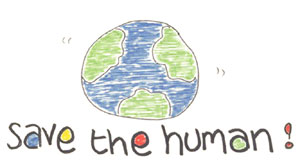
The third is a video by Aryan Tavakkoli "Sixth Commandment". Warning: This video is the graphic truth of what humans do to animals.
------ ----- ----- ----- ----- ----- ----- -----
Get a Free Subscription to the VSSE podcast by inserting this specific RSS feed:
(http://h2opodcast.com/rss/vsse.xml) into your Free Copy of iTunes.
More info here.
Copyright © Bobsy Gaia, Namrock, Aryan Tavakkoli, All Rights Reserved.
============== ============== ==============
Rae Sikora Interviews Richard Schwartz: "Why People Should be Vegetarians"
====>Right Click to Download "Why People Should be Vegetarians"
01 May 2011
Richard Schwartz, Ph.D.; Professor Emeritus, Mathematics, College of
Staten Island; President of the Jewish Vegetarians of North America and Society of
Ethical and Religious Vegetarianism; Author of Judaism and
Vegetarianism, Judaism and Global Survival, and Mathematics and Global
Survival is interviewed by Rae Sikora.
-----------------------
Rae Sikora is co-founder and director of Plant
Peace Daily (www.plantpeacedaily.org), which supports individuals and groups in
creating peaceful community that respects all Life. Rae is also
co-founder and co-director of Vegfund (www.vegfund.org). Vegfund provides funding for
individuals and groups serving free vegan food to non-veg audiences.
She co-created the Institute for Humane Education
(the nations first humane education certification and
Masters programs) Her innovative critical thinking
programs have redefined personal power and the
ability of one person to make a difference in the world.
She has been leading programs internationally for 25
years on compassionate living and all forms of
non-violence, including: ethical consumerism,
advertising / media influences, communication, conflict
resolution, animal rights / awareness, and
environmental awareness / responsibility.
------ ----- ----- ----- ----- ----- ----- -----
Get a Free Subscription to the VSSE podcast by inserting this specific RSS feed:
(http://h2opodcast.com/rss/vsse.xml) into your Free Copy of iTunes.
More info here.
Copyright © 2011 Richard Schwartz, All Rights Reserved.
============== ============== ==============
Frank L. Hoffman "The Immorality Of Meat Eating"
====>Right Click to Download "The Immorality Of Meat Eating"
01 April 2010
Frank L. Hoffman, and his wife Mary are the founders of The Mary T. and Frank
L. Hoffman Family Foundation and www.all-creatures.org We may be contacted
at flh@all-creatures.org.
The Immorality of Meat Eating addresses the legal and moral standards
governing the eating of animals flesh, eggs, and milk, and how the lack of
true morality causes both physical and emotional pain and suffering to both
the animals and to our fellow human beings.
------ ----- ----- ----- ----- ----- ----- -----
Get a Free Subscription to the VSSE podcast by inserting this specific RSS feed:
(http://h2opodcast.com/rss/vsse.xml) into your Free Copy of iTunes.
More info here.
Copyright © 2011 All-Creatures.org, All Rights Reserved.
============== ============== ==============
Pamela Rice "Death By Algae"
====>Right Click to Download "Death By Algae"
01 March 2011
I wish to thank Pamela
Rice for so graciously giving the "Vegan - Vegetarian Solutions for
a Sustainable Environment" (VSSE) podcast permission to read from her
book, "101 Reasons Why I'm A Vegetarian." Please visit her
webpage to find information about her work and how you can support it by
buying her very important and well written book: http://VivaVegie.org
Pass the word far and wide for all your friends to attend and
SUPPORT the Veggie Pride Parade in New York City, Sunday, MAY
15, 2011. For more information please visit http://www.veggieprideparade.org/
Many thanks to Dawn D'Arcangelo one of the founding members of the Albany Vegetarian
Network Inc. for her great reading of the presentation
------ ----- ----- ----- ----- ----- ----- -----
Get a Free Subscription to the VSSE podcast by inserting this specific RSS feed:
(http://h2opodcast.com/rss/vsse.xml) into your Free Copy of iTunes.
More info here.
Copyright © 2011 Pamela Rice, All Rights Reserved.
============== ============== ==============
Mike Tidwell "The Low-Carbon Diet"
====>Right Click to Download "The Low-Carbon Diet"
01 February 2011
Mike Tidwell, director of the Chesapeake Climate Action Network, is the author
of
The Ravaging Tide: Strange Weather, Future Katrinas, and
the Coming Death
of America's Coastal Cities (Free Press). In this
article "The Low-Carbon Diet"
for Audubon.org he
discusses the Ecological and Moral Reasons for the plant based
diet.
------ ----- ----- ----- ----- ----- ----- -----
Get a Free Subscription to the VSSE podcast by inserting this specific RSS feed:
(http://h2opodcast.com/rss/vsse.xml) into your Free Copy of iTunes.
More info here.
Copyright © 2011 Mike Tidwell, All Rights Reserved.
============== ============== ==============
Mike Hudak "Aesthetics"
====>Right Click to Download "Aesthetics"
01 January 2011
In this 20-minute podcast, Mike Hudak (mike_hudak@yahoo.com) suggests that a campaign to
persuade the American people to drop their support of the federal
grazing program should be primarily based on aesthetics rather than on
ecology or economics. Hudak draws upon writings of American naturalist
John Muir along with interviews from his book Western Turf Wars:
The Politics of Public Lands Ranching (http://westernturfwars.com) as examples for how to
make the case for removing ranching from public lands.
------ ----- ----- ----- ----- ----- ----- -----
Get a Free Subscription to the VSSE podcast by inserting this specific RSS feed:
(http://h2opodcast.com/rss/vsse.xml) into your Free Copy of iTunes.
More info here.
Copyright © 2011 Mike Hudak, All Rights Reserved.
============== ============== ==============
Pamela Rice "Operation Ocean Plunder: Jellyfish Rules"
====>Right Click to Download "Operation Ocean Plunder: Jellyfish Rules"
15 December 2010
I wish to thank Pamela
Rice for so graciously giving the "Vegan - Vegetarian Solutions for
a Sustainable Environment" (VSSE) podcast permission to read from her
book, "101 Reasons Why I'm A Vegetarian." Please visit her
webpage to find information about her work and how you can support it by
buying her very important and well written book: http://VivaVegie.org
The footnotes for chapter 45 Coming Soon
Many thanks to Dawn D'Arcangelo one of the founding members of the Albany Vegetarian
Network Inc.for her great reading of the presentation
------ ----- ----- ----- ----- ----- ----- -----
Get a Free Subscription to the VSSE podcast by inserting this specific RSS feed:
(http://h2opodcast.com/rss/vsse.xml) into your Free Copy of iTunes.
More info here.
Copyright © 2010 Pamela Rice, All Rights Reserved.
============== ============== ==============
Wendy Gordon, The Huffington Post "Meals of Mass Destruction: Shrimp"
====>Right Click to Download "Meals of Mass Destruction: Shrimp"
01 December 2010
Well we saw a bit of history two podcasts ago from 1994 and then on the
last podcast we moved to 2004 and now let's again examine a 2010 article
"Meals of Mass Destruction:
Shrimp" by Wendy Gordon from the Huffington Post on how much of a
change Environmentalists are making in bringing this important topic to
the attention of a Seafood eating world. I have only read the parts of
the article that deal with the Environmental Destruction since I'm not
an advocate for any sort of Sustainable Animal Farming.
------ ----- ----- ----- ----- ----- ----- -----
Get a Free Subscription to the VSSE podcast by inserting this specific RSS feed:
(http://h2opodcast.com/rss/vsse.xml) into your Free Copy of iTunes.
More info here.
Copyright © 2010 The Huffington Post, All Rights Reserved.
============== ============== ==============
Mike Shanahan, Ecologist Magazine "Appetite For Destruction - Shrimp Farming"
====>Right Click to Download "Appetite For Destruction - Shrimp Farming"
15 November 2010
The previous article by Joan Hamilton "All You Can Stomach? - Environmental Destruction Caused
By Shrimp Industry " read for the 1st of November VSSE podcast was
just a bit dated from 1994 so let's move to another article from 2003 by Mike
Shanahan, Ecologist Magazine "Appetite For Destruction - Shrimp Farming" to see how much progress we've made.
------ ----- ----- ----- ----- ----- ----- -----
Get a Free Subscription to the VSSE podcast by inserting this specific RSS feed:
(http://h2opodcast.com/rss/vsse.xml) into your Free Copy of iTunes.
More info here.
Copyright © 2010 Environmental Justice Foundation, All Rights Reserved.
============== ============== ==============
Joan Hamilton, Sierra Magazine "All You Can Stomach? Shrimp"
====>Right Click to Download "All You Can Stomach? Shrimp"
01 November 2010
This is a reading of an older article by Joan Hamilton for Sierra Magazine
"All You Can Stomach? - Environmental Destruction Caused
By Shrimp Industry".
------ ----- ----- ----- ----- ----- ----- -----
Get a Free Subscription to the VSSE podcast by inserting this specific RSS feed:
(http://h2opodcast.com/rss/vsse.xml) into your Free Copy of iTunes.
More info here.
Copyright © 2010 Joan Hamilton, Sierra Magazine, All Rights Reserved.
============== ============== ==============
Benjamin Kolb, Scidev.net "Scientists Warn Of Livestock Greenhouse Gas Boom"
====>Right Click to Download "Scientists Warn Of Livestock Greenhouse Gas Boom"
15 October 2010
Scientists warn of livestock greenhouse gas boom
Benjamin Kolb
5 October 2010
link to abstract
------ ----- ----- ----- ----- ----- ----- -----
Get a Free Subscription to the VSSE podcast by inserting this specific RSS feed:
(http://h2opodcast.com/rss/vsse.xml) into your Free Copy of iTunes.
More info here.
Copyright © 2010 SciDev.Net, All Rights Reserved.
============== ============== ==============
Pamela Rice "Blue Pastures"
====>Right Click to Download "Blue Pastures"
01 October 2010
I wish to thank Pamela
Rice for so graciously giving the "Vegan - Vegetarian Solutions for
a Sustainable Environment" (VSSE) podcast permission to read from her
book, "101 Reasons Why I'm A Vegetarian." Please visit her
webpage to find information about her work and how you can support it by
buying her very important and well written book: http://VivaVegie.org
The footnotes for chapter 39 Coming Soon
Many thanks to Dawn D'Arcangelo one of the founding members of the Albany Vegetarian
Network Inc. for her great reading of the presentation
ATTENTION!: Don't forget to attend The NY Vegetarian Expo on Saturday, October 2nd
------ ----- ----- ----- ----- ----- ----- -----
Get a Free Subscription to the VSSE podcast by inserting this specific RSS feed:
(http://h2opodcast.com/rss/vsse.xml) into your Free Copy of iTunes.
More info here.
The music is by Catz in the Hatz
Copyright © 2010 Pamela Rice, All Rights Reserved.
============== ============== ==============
Kathy Freston: Effects and Myth
====>Right Click to Download
"The Breathtaking Effects of Cutting Back on Meat: The Environment"
====>Right Click to Download
"Shattering The Meat Myth: Humans Are Natural Vegetarians"
15 September 2010
In this first article Kathy Freston describes the breathtaking effects
that cutting back on meat has on the environment and in the second she
cites information from various academics and doctors that destroys the
myth that humans are natural carnivores.
------ ----- ----- ----- ----- ----- ----- -----
Get a Free Subscription to the VSSE podcast by inserting this specific RSS feed:
(http://h2opodcast.com/rss/vsse.xml) into your Free Copy of iTunes.
More info here.
The music is by Catz in the Hatz
Copyright © 2010 Kathy Freston, All Rights Reserved.
============== ============== ==============
Felicity Carus - guardian.co.uk -
"UN Urges Global Move to Meat and Dairy-Free Diet"
====>Right Click to Download "UN Urges Global Move to Meat and Dairy-Free Diet"
01 September 2010
A 2 June 2010 article by Felicity Carus on the guardian.co.uk
website reports on this important news item "UN urges global move to meat and dairy-free
diet"
------ ----- ----- ----- ----- ----- ----- -----
Get a Free Subscription to the VSSE podcast by inserting this specific RSS feed:
(http://h2opodcast.com/rss/vsse.xml) into your Free Copy of iTunes.
More info here.
The music is by Catz in the Hatz
Copyright © Guardian News and Media Limited 2010, All Rights Reserved.
============== ============== ==============
John Vidal-The Observer "10 Ways Vegetarianism Can Help Save The Planet"
====>Right Click to Download "10 Ways Vegetarianism Can Help Save The Planet"
15 August 2010
Many thanks to The Guardian for their continued
posting of important information for a needy world. In this 18 July 2010
article "10 ways vegetarianism can
help save the planet" by John Vidal for The Observer, the
emphasis is on eating less meat. I think we would all agree that this is
an important step in the direction of eliminating the use of animal
products for our nutrition.
------ ----- ----- ----- ----- ----- ----- -----
Get a Free Subscription to the VSSE podcast by inserting this specific RSS feed:
(http://h2opodcast.com/rss/vsse.xml) into your Free Copy of iTunes.
More info here.
The music is by Catz in the Hatz
Copyright © Guardian News and Media Limited 2010, All Rights Reserved.
============== ============== ==============
Bill McKibben "The Only Way To Have A Cow"
====>Right Click to Download "The Only Way To Have A Cow"
01 August 2010
The following reading of Bill McKibben's "The Only Way To Have A
Cow" is from the March/April 2010 issue of the Orion Magazine:
orionmagazine.org
Bill correctly states that "Industrial livestock production is
essentially indefensible - ethically, ecologically, and otherwise" but
then wrongfully concludes that "Rotational Grazing" and Grass-Fed is the
answer. Please reference Angel Flynn's "Free-Range Is Not The Answer" podcast
to see why this is NOT THE ANSWER.
------ ----- ----- ----- ----- ----- ----- -----
Get a Free Subscription to the VSSE podcast by inserting this specific RSS feed:
(http://h2opodcast.com/rss/vsse.xml) into your Free Copy of iTunes.
More info here.
The music is by Catz in the Hatz
Copyright © 2010 The Orion Society/Bill McKibben, All Rights Reserved.
============== ============== ==============
Pamela Rice "Toxic Trickle"
====>Right Click to Download "Toxic Trickle"
15 July 2010
I wish to thank Pamela
Rice for so graciously giving the "Vegan - Vegetarian Solutions for
a Sustainable Environment" (VSSE) podcast permission to read from her
book, "101 Reasons Why I'm A Vegetarian." Please visit her
webpage to find information about her work and how you can support it by
buying her very important and well written book: http://VivaVegie.org
The footnotes for chapter 27 can be found HERE on page 216
Many thanks to Dawn D'Arcangelo one of the founding members of the Albany Vegetarian
Network Inc. for her great reading of the presentation
------ ----- ----- ----- ----- ----- ----- -----
Get a Free Subscription to the VSSE podcast by inserting this specific RSS feed:
(http://h2opodcast.com/rss/vsse.xml) into your Free Copy of iTunes.
More info here.
The music is by Catz in the Hatz
Copyright © 2010 Pamela Rice, All Rights Reserved.
============== ============== ==============
Pamela Rice "Desertification"
====>Right Click to Download "Desertification"
15 June 2010
I wish to thank Pamela
Rice for so graciously giving the "Vegan - Vegetarian Solutions for
a Sustainable Environment" (VSSE) podcast permission to read from her
book, "101 Reasons Why I'm A Vegetarian." Please visit her
webpage to find information about her work and how you can support it by
buying her very important and well written book: http://VivaVegie.org
The footnotes for chapter 27 can be found HERE on page 215
Many thanks to Dawn D'Arcangelo one of the founding members of the Albany Vegetarian
Network Inc for her great reading of the presentation
------ ----- ----- ----- ----- ----- ----- -----
Get a Free Subscription to the VSSE podcast by inserting this specific RSS feed:
(http://h2opodcast.com/rss/vsse.xml) into your Free Copy of iTunes.
More info here.
The music is by Catz in the Hatz
Copyright © 2010 Pamela Rice, All Rights Reserved.
============== ============== ==============
TED Talks: Mark Bittman and Graham Hill
====>Right Click to Download Mark Bittman "What's Wrong With What We Eat"
====>Right Click to Download Graham Hill "Why I'm A Weekday Vegetarian"
01 June 2010
Many thanks to the TED
(Technology, Entertainment, Design) talks website for many many great and educational
presentations. Please consider joining and subscribing to their podcast:
http://feeds.feedburner.com/tedtalks_audio
------ ----- ----- ----- ----- ----- ----- -----
Copyright © 2010 TED Conferences, LLC, All Rights Reserved.
============== ============== ==============
Vegetarian Food For Thought "Lethal Gifts of Livestock"
====>Right Click to Download "Lethal Gifts of Livestock"
15 May 2010
Many thanks to the Vegetarian Food For Thought podcast by
Colleen Patrick-Goudreau for the many excellent messages archived and available online. Please subscribe to her podcast by using this
rss feed: http://feeds.feedburner.com/VegetarianFoodForThought
Being animals ourselves, it makes sense that we share many of the same
diseases as our non-human cousins. We aren't - after all - plants. We
aren't at risk for catching aphids or sooty mold or downy mildew. In
fact, many of the major killer pandemics we've been plagued with were
acquired from non-human animals. Here are just a few: we got
tuberculosis from cattle, influenza from pigs and birds, whooping cough
from pigs and dogs, smallpox from cattle, and of course cowpox from
cows. Even HIV, the virus that causes AIDS, is believed to have been
first transmitted to humans through the butchering and consumption of
infected chimpanzees. it is our very consumption of animals and their
products that has bestowed upon us what Guns, Germs, and Steel author
Jared Diamond calls the "lethal gifts of livestock." Our abuse of nature
comes full-circle and at a heavy price for both the consumer and the
consumed.
A related podcast "Farming the Flu" is found HERE
------ ----- ----- ----- ----- ----- ----- -----
Get a Free Subscription to the podcast by inserting this specific RSS feed:
(http://h2opodcast.com/rss/vsse.xml) into your Free Copy of iTunes.
More info here.
The music is by Catz in the Hatz
Copyright © 2010 Vegetarian Food For Thought, All Rights Reserved.
============== ============== ==============
Vegetarian Food For Thought Podcast "Pythagoras"
====>Right Click to Download "Pythagoras"
01 May 2010
Many thanks to
Colleen Patrick-Goudreau for the many excellent messages archived and available Please subscribe to her podcast by using this
rss feed: http://feeds.feedburner.com/VegetarianFoodForThought
Everything we know about the Greek philosopher Pythagoras (ca. 580 B.C.-
ca. 490 B.C. - he died when he was 90 years old!) comes from those who
lived many years after him, and fortunately, his philosophy of
vegetarianism is beautifully memorialized in Ovid's great epic poem, The
Metamorphoses. Early vegetarians were called "Pythagoreans," and 2,500
years after his death, his admonitions against slaughtering animals for
human consumption still ring true.
------ ----- ----- ----- ----- ----- ----- -----
Get a Free Subscription to the podcast by inserting this specific RSS feed:
(http://h2opodcast.com/rss/vsse.xml) into your Free Copy of iTunes.
More info here.
The music is by Catz in the Hatz
Copyright © 2010 Vegetarian Food For Thought, All Rights Reserved.
============== ============== ==============
"Your Call Radio" interviews Melanie Joy, Chris Jones and Linda Riebel
====>Right Click to Download "Your Call Radio Interview"
15 April 2010
Many thanks to the Your Call Radio program for their great variety of
interviews. This podcast is an interview that took place in 2008. Sad to
say, the topic is relevant today: "Why is it that when environmentalists
gather to talk about averting climate change, the topics of going
meat-free or eating less meat are off the table?"
------ ----- ----- ----- ----- ----- ----- -----
Get a Free Subscription to the podcast by inserting this specific RSS feed:
(http://h2opodcast.com/rss/vsse.xml) into your Free Copy of iTunes.
More info here.
The music is by Catz in the Hatz
Copyright © 2010 Your Call Radio, All Rights Reserved.
============== ============== ==============
Rae Sikora interviews Dr. Melanie Joy about carnism
==>RightClickTo Download Rae Sikora interviews Dr. Melanie Joy about carnism Part 1
------ ----- ----- ----- ----- ----- ----- -----
==>RightClickTo Download Rae Sikora interviews Dr. Melanie Joy about carnism Part 2
01 April 2010
In this podcast, Rae Sikora interviews Dr. Melanie Joy about her new
book "Why We Love Dogs, Eat Pigs, and Wear Cows: An Introduction to
Carnism." Carnism is the word Dr. Joy uses to describe the widespread,
invisible belief system, or ideology, that conditions us to eat some
animals but not others. Dr. Joy argues that when eating meat isn't a
necessity for survival, it's a choice, and choices always stem from
beliefs. But carnism, unlike vegetarianism, has remained unnamed and
therefore invisible. "Why We Love Dogs, Eat Pigs, and Wear Cows"
explains, in plain language, the way carnism impacts our society and our
minds, and helps both vegetarians and meat eaters become more informed
and empowered, as consumers and citizens.
More information on Dr. Joy and her work can be found at www.melaniejoy.org
==============
Rae Sikora is co-founder and director of Plant
Peace Daily (www.plantpeacedaily.org), which supports individuals and groups in
creating peaceful community that respects all Life. Rae is also
co-founder and co-director of Vegfund (www.vegfund.org). Vegfund provides funding for
individuals and groups serving free vegan food to non-veg audiences.
She co-created the Institute for Humane Education
(the nations first humane education certification and
Masters programs) Her innovative critical thinking
programs have redefined personal power and the
ability of one person to make a difference in the world.
She has been leading programs internationally for 25
years on compassionate living and all forms of
non-violence, including: ethical consumerism,
advertising / media influences, communication, conflict
resolution, animal rights / awareness, and
environmental awareness / responsibility.
------ ----- ----- ----- ----- ----- ----- -----
Get a Free Subscription to the podcast by inserting this specific RSS feed:
(http://h2opodcast.com/rss/vsse.xml) into your Free Copy of iTunes.
More info here.
The music is by Catz in the Hatz
Copyright © 2010 Melanie Joy, All Rights Reserved.
============== ============== ==============
Quirks and Quarks Podcast "Oceans Of Trouble"
The Quirks and Quarks podcast is full of very interesting scientific material
Please go to their webpage to find a complete listing of many high quality audio programs:
http://www.cbc.ca/quirks/podcast.html. Also subscribe to the
podcast via their RSS feed: http://www.cbc.ca/podcasting/includes/quirksaio.xml
====>Right Click to Download "Oceans Of Trouble" Part 1
====>Right Click to Download "Oceans Of Trouble" Part 2
15 March 2010
In Part 2 of this two part series the topic of overfishing is discussed.
The authors fail to mention in the other topics that are adversly
affecting our oceans that moving to a plant based diet would also provide
significant relief from these stresses.
As salubrious as the sea might seem, it's in pretty bad shape. In fact,
it's fair to say that the global oceans are in a state of crisis and
nobody is more aware of this than the scientists studying these troubled
waters.
Copyright © 2009, 2010 CBC.ca, All Rights Reserved.
============== ============== ==============
Angel Flinn: "Free-Range Is Not The Answer"
====>Right Click to Download "Free-Range Is Not The Answer"
01 March 2010
Many thanks to Angel Flinn for permission to read from her blog
The Vegan Solution. Please visit her blog for many other high quality and very
informative messages on the need to move to a plant based diet.
In her message "Free-Range Is Not The Answer" Angel goes into detail as
to why Free-Range, Pasture Raised, or Grass Fed is not a solution to the
Environmental Destruction and Animal Exploitation associated with Animal
Factory Farming.
------ ----- ----- ----- ----- ----- ----- -----
Get a Free Subscription to the podcast by inserting this specific RSS feed:
(http://h2opodcast.com/rss/vsse.xml) into your Free Copy of iTunes.
More info here.
The music is by Catz in the Hatz
Copyright © 2010 Angel Flinn, All Rights Reserved.
============== ============== ==============
Our Ocean World Podcast
01 February 2010
The following very short (1 minute plus) podcasts are not meant to offer Vegan - Vegetarian Solutions for a Sustainable Environment but rather to emphasize the problems that exist due to the demand for eating fish and other animals. The podcasts fail completely to offer the idea of reducing the stress on "Our Oceans" by encouraging the peoples of the world to strongly move toward a plant based diet.
The Our Ocean World podcast is located at this URL http://www.ouroceanworld.com/ Please visit the site to find a complete listing of many audio programs. Subscription Information - RSS feed: http://feeds.feedburner.com/oceanworld
Wed., 12/31/08 Combating sea lice: Like land farmers, fish farmers use insecticides to kill parasites called sea lice. The problem is, insecticides kill more pests than they target. Click Here
======================
Tue., 12/02/08 The invisible polluter: There is more to water pollution than oil spills and industrial waste. Airborne pollutants also contribute. Click Here
======================
Wed., 11/26/08 Long line fishing: Sea birds are being wiped out by the practice of running thousands of baited hooks along miles of line in the open sea. Click Here
======================
Tue., 11/04/08 Gasping in the Chesapeake-1: Each summer excess nutrients make algae grow in the Chesapeake Bay. That's a problem for fish and fish larvae. Click Here
Wed., 11/05/08 Gasping in the Chesapeake-2: When nutrients like sewage and fertilizer end up in Chesapeake Bay, algae grow. The result is low oxygen levels for fish. But it's a different scenario for jellyfish. Click Here
======================
Wed., 10/22/08 Saving the sawfish: The fierce looking sawfish is endangered due to over-fishing, by-catch, and habitat destruction. Click Here
======================
Mon., 9/29/08 Serial over-fishing: Fishermen are slowly taking the biggest reef fish from the Florida Keys. Click Here
======================
Thu., 7/24/08 Algae invasion: Scientists believe over-fishing, sewage run-off, and global warming are all factors in some coral reefs being overrun with algae. Click Here
======================
Fri., 7/25/08 Lake Erie dead zone: This dead zone appears every year because there are too many nutrients running off the land and into the lake. Click Here
======================
Wed., 7/30/08 Fishing down the food web: Daniel Pauly at the University of British Columbia says Calamari is a popular dish today because many of the big fish we used to eat are gone.
Click Here
======================
Tue., 7/08/08 Ghost nets: When large nets are discarded at sea, they become one large death trap for marine fish and mammals. Click Here
======================
Mon., 6/09/08 Cyanide Fishing: A plate of fish lips is a trendy delicacy in Hong Kong, but there's a hidden cost. Click Here
======================
Fri., 6/13/08 Nutrient Run-Off 101: Run-off from the fertilizers used to stimulate growth on land is fundamentally altering entire ocean ecosystems. Click Here
======================
Mon., 5/26/08 Paddlefish population sinking: The freshwater paddlefish are becoming scarce as their caviar becomes more popular. Click Here
======================
Tue., 5/27/08 Paddlefish by-catch: Already endangered by over-fishing, paddlefish are also at risk of being accidentally caught in nets. Click Here
======================
Fri., 3/28/08 Brown algae: Coral reefs rely on algae to stay healthy, but like with most things, too much of a good thing is still too much. Click Here
======================
Thu., 3/06/08 Dynamite fishing: Cheap and easy, this explosive method of fishing is illegal in most parts of the world. Click Here
======================
Tue., 2/05/08 Derelict fishing gear: The Northwest Straits Commission is removing large numbers of nets, lines, and traps that have been lost in the waters off Washington state.
Click Here
======================
Wed., 2/06/08 Crab pots: When the metal mesh boxes used to catch crab are lost and left on the ocean floor, they can trap and kill crab for years. Click Here
======================
Thurs., 2/07 Derelict fishing nets: When fishing nets are caught on reefs or lost in the water they continue to pose a threat to marine life and humans. Click Here
======================
Fri., 2/08/08 Solutions and recovery: The Northwest Straits Commission has become an international model for environmental cleanup. Click Here
======================
Thu., 1/17/08 Dangerous debris: Thousands of tons of abandoned fishing nets and gear litter the world's oceans, snaring and starving fish and marine mammals. Click Here
======================
Fri., 1/18/08 Debris cleanup: Marine debris threatens sea life and coral reefs that are hundreds of years old. Click Here
======================
Thu., 1/31/08 Saving the secret forests: Deep-sea coral have been damaged by fishing practices that rake the sea floor to capture bottom-fish. Click Here
------ ----- ----- ---
Get a Free Subscription to the podcast by inserting this specific RSS feed:
(http://h2opodcast.com/rss/vsse.xml) into your free copy of iTunes. More info
here.
Copyright © 2010 Our Ocean World, All Rights Reserved.
============== ============== ==============
Nitrous Oxide: Ozone Depleting and Greenhouse Gas
====>Right Click to Download "Nitrous Oxide: Ozone Depleting and Greenhouse Gas"
15 January 2010
Nitrous Oxide has taken over the top spot as an Ozone depleting gas. The
podcast is a reading of a series of online reports that looks at some
of the details regarding sources and solutions to reducing the amount of
Nitrous Oxide being released into the Environment. The following URL's
are for the online reports and footnotes:
1) Nitrous Oxide: A Necessary Evil of Agriculture (NPR: Morning Edition by Richard Harris August 28, 2009): Click Here
2) Coalition Petitions EPA to Regulate Greenhouse Gases, Other Toxic Air Pollutants from Factory Farms ("Greenhouse Gases" p. 19): Click Here
------ ----- ----- ----- ----- ----- ----- -----
Get a Free Subscription to the podcast by inserting this specific RSS feed:
(http://h2opodcast.com/rss/vsse.xml) into your free copy of iTunes. More info
here.
The music is by Catz in the Hatz
Copyright © 2010 Various Authors, All Rights Reserved.
============== ============== ==============
Pamela Rice "Troubled Waters: Oceans In Peril"
====>Right Click to Download "Troubled Waters: Oceans In Peril"
01 January 2010
I wish to thank Pamela
Rice for so graciously giving the "Vegan - Vegetarian Solutions for
a Sustainable Environment" (VSSE) podcast permission to read from her
book, "101 Reasons Why I'm A Vegetarian." Please visit her
webpage to find information about her work and how you can support it by
buying her very important and well written book: http://VivaVegie.org
The following are the foot notes from her book:
1. "The catch about fish," The Economist, Mar. 19-25, 1994, p. 13.
2. "Scientists sound alarm about ocean perils," AP, Jan. 6, 1998
3. William J. Broad and Andrew C. Revkin, "Overfishing imposes a heavy toll," The New York Times, July 29, 2003, p. F2.
4. "Special: Biodiversity for food and agriculture, fish and aquatic life, " SD Dimensions, FAO/UN, Feb. 1998.
5. Elaine Lies, "Japanese love fish too much for fragile stocks," Reuters, Feb. 20, 2004.
6. "Special: Biodiversity."
7. Erica Bulman, "UN and Nature Fund blame subsidies for global fisheries crisis," AP, June 2, 1997.
8. "Fewer fish in the sea," CBS, May 14, 2003.
9. "Factoids: World fisheries in crisis," ENN, July 10, 1998.
10. "Special: Biodiversity."
11. Juliet Eilperin, "Management blamed for depletion of fish," Washington Post, June 27, 2004, p. A3.
12. "Factoids."
13. Carl Safina, "The world's imperiled fish," special edition, the oceans, Scientific American Presents, Fall 1998, p. 61.
14. "The promise of a blue revolution," The Economist, Aug. 9, 2003, p. 21.
15. "Episode: In pursuit of the giant bluefin," Living Wild, National Geographic Channel, June 19, 2004.
16. Otto Pohl, "Challenge to fishing: Keep the wrong species out of its huge nets," The New York Times, July 29, 2003.
Many thanks to Dawn D'Arcangelo one of the founding members of the Albany Vegetarian
Network Inc.for her great reading of the presentation
------ ----- ----- ----- ----- ----- ----- -----
Get a Free Subscription to the podcast by inserting this specific RSS feed:
(http://h2opodcast.com/rss/vsse.xml) into your free copy of iTunes. More info
here.
The music is by Catz in the Hatz
Copyright © 2010 Pamela Rice, All Rights Reserved.
============== ============== ==============
Pamela Rice "Cyanide and dynamite: Reefs on the edge"
====>Right Click to Download "Cyanide and dynamite: Reefs on the edge"
15 December 2009
I wish to thank Pamela
Rice for so graciously giving the "Vegan - Vegetarian Solutions for
a Sustainable Environment" (VSSE) podcast permission to read from her
book, "101 Reasons Why I'm A Vegetarian." Please visit her
webpage to find information about her work and how you can support it by
buying her very important and well written book: http://VivaVegie.org
The following are the foot notes from her book:
1) Quoted in Fred Pearce, "Southeast Asia's coral reefs at risk from cyanide fishing." The Boston Globe, April 29, 2003, p. C1
2) Dick Bryant, et. al. Reef's at Risk, World Resources Institute and the UN Environment Program, et. al., 1998 p. 7.
3) Andrew Bridges, "Survey: Coral reefs in bad shape." AP, Aug. 26, 2002.
4) Patricia Reaney, "Study: Traditional fishing damages coral reefs," Reuters, May 4, 2004.
5) Alex Kirby, "Ten richest coral areas pin-pointed," BBC News Feb 14, 2002.
6) Michael McCarthy, " 'Rainforests of the sea' ravaged: Overfishing and pollution kill 80 percent of the coral on Caribbean reefs," The Independent, July 18, 2003
7) "Scientists call for better management of Indonesia's coral reefs," news release, World Resources Institute, May 21, 2002.
8) Bryant, Reefs at Risk, p. 9.
9) Ibid., p. 13.
10) Pearce, "Southeast Asia's coral reefs at risk from cyanide fishing."
11) Bridges, "Survey: Coral reefs in bad shape."
12) Bryant, Reefs at Risk, p. 8.
13) Ibid., p. 7.
Many thanks to Dawn D'Arcangelo one of the founding members of the Albany Vegetarian
Network Inc.for her great reading of the presentation
------ ----- ----- ----- ----- ----- ----- -----
Get a Free Subscription to the podcast by inserting this specific RSS feed:
(http://h2opodcast.com/rss/vsse.xml) into your free copy of iTunes. More info
here.
The music is by Catz in the Hatz
Copyright © 2009 Pamela Rice, All Rights Reserved.
============== ============== ==============
Nikolas Kozloff "The Coolness Factor is Wearing Thin"
====>Right Click to Download "The Coolness Factor is Wearing Thin"
01 December 2009
In his October 16, 2009 article "The Coolness Factor is Wearing Thin. Rainforest Beef,
Factory Farms and Anthony Bourdain's War on Vegetarians" Nikolas
Kozloff examines Celebrity chef Anthony Bourdain's inconsistencies in
his disdain for vegetarians and vegans.
Nikolas Kozloff is the author of the forthcoming No Rain in the Amazon: How South
America's Climate Change Affects the Entire Planet
(Palgrave-Macmillan, April 2010). Visit his blog at http://senorchichero.blogspot.com/
------ ----- ----- ----- ----- ----- ----- -----
Get a Free Subscription to the podcast by inserting this specific RSS feed:
(http://h2opodcast.com/rss/vsse.xml) into your free copy of iTunes. More info
here.
The music is by Catz in the Hatz
Copyright © 2009 Nikolas Kozloff, All Rights Reserved.
============== ============== ==============
"Cattle Ranching Destroying The Amazon" Part 2
====>Right Click to Download "Cattle Ranching Destroying The Amazon" Part 2
15 November 2009
This podcast is the conclusion of the reading of four online articles about the destruction taking place in the Amazon Rain Forest by illegal Cattle Ranching. To read the articles in their entirety click on the links below:
Copyright: greenpeace.org How cattle ranches are chewing up the Amazon rainforest
Copyright: reuters.com Greenpeace says global beef trade destroying Amazon
Copyright: reuters.com Brazil beef industry yields to Amazon criticism
Copyright: csmonitor.com Can Nike and Wal-Mart save the Amazon?
------ ----- ----- ----- ----- ----- ----- -----
Get a Free Subscription to the podcast by inserting this specific RSS feed:
(http://h2opodcast.com/rss/vsse.xml) into your free copy of iTunes. More info
here.
The music is by Catz in the Hatz
Copyright © 2009 Reuters & Christian Science Monitor, All Rights Reserved.
============== ============== ==============
"Cattle Ranching Destroying The Amazon" Part 1
====>Right Click to Download "Cattle Ranching Destroying The Amazon" Part 1
01 November 2009
For this podcast I'll be reading two online articles about the destruction taking place in the Amazon Rain Forest by illegal Cattle Ranching. On November 15th I'll be reading two other articles that show a glimmer of hope for the future. If you would like to read all four articles now they can be found here:
Copyright: greenpeace.org How cattle ranches are chewing up the Amazon rainforest
Copyright: reuters.com Greenpeace says global beef trade destroying Amazon
Copyright: reuters.com Brazil beef industry yields to Amazon criticism
Copyright: csmonitor.com Can Nike and Wal-Mart save the Amazon?
------ ----- ----- ----- ----- ----- ----- -----
Get a Free Subscription to the podcast by inserting this specific RSS feed:
(http://h2opodcast.com/rss/vsse.xml) into your free copy of iTunes. More info
here.
The music is by Catz in the Hatz
Copyright © 2009 GreenPeace & Reuters, All Rights Reserved.
============== ============== ==============
Aryan Tavakkoli - "Environmental Impact of Eating Fish"
====>Right Click to Download "Environmental Impact of Eating Fish"
15 October 2009
The environmental impact of eating fish is often under appreciated.
Commercial fishing is one of the most environmentally destructive
activities and carries grave consequences for the future of our marine
eco-systems which produce most of Earth's oxygen supply. The human race
cannot survive without healthy oceans. The survival of our planet, and
ourselves, is at stake. If you think that eating fish is okay, you need
to hear the facts about fishing.
References:
1: Are dietary recommendations for the use of fish oils sustainable?
CMAJ - March 17, 2009; 180 (6)
------ ----- ----- ----- ----- ----- ----- -----
Get a Free Subscription to the podcast by inserting this specific RSS feed:
(http://h2opodcast.com/rss/vsse.xml) into your free copy of iTunes. More info
here.
The music is by Catz in the Hatz
Copyright © 2009 Aryan Tavakkoli, All Rights Reserved.
============== ============== ==============
Mark Bittman - NY Times "Rethinking The Meat-Guzzler"
====>Right Click to Download "Rethinking The Meat-Guzzler"
01 October 2009
"Rethinking the Meat-Guzzler" by Mark Bittman was published on January
27, 2008 in "The World" section of the NY Times. The written article can be accessed by
clicking: THIS LINK
------ ----- ----- ----- ----- ----- ----- -----
Get a Free Subscription to the podcast by inserting this specific RSS feed:
(http://h2opodcast.com/rss/vsse.xml) into your free copy of iTunes. More info
here.
The music is by Catz in the Hatz
Copyright © 2009 Mark Bittman, All Rights Reserved.
============== ============== ==============
Living On Earth - Ellen Silbergeld "Farming The Flu"
====>Right Click to Download "Farming The Flu"
15 September 2009
The following description is from the Living On Earth website. The site has a fabulous
archive podcasts on many environmental topics. Visit this link to read the
transcript of: "Farming The Flu" and subscribe to the podcast with this RSS feed: http://www.loe.org/podcast.rss
As health officials try to guess
where the so-called swine flu will show
up next, other researchers are trying to track the H1N1 virus to its
origins. And a number of experts suspect large-scale factory farms. Host
Jeff Young talks with Johns Hopkins Public Health Professor Ellen
Silbergeld who says crowded, filthy conditions at factory farms could
speed the mutation and transfer of viruses from pigs to people.
------ ----- ----- ----- ----- ----- ----- -----
Get a Free Subscription to the podcast by inserting this specific RSS feed:
(http://h2opodcast.com/rss/vsse.xml) into your free copy of iTunes. More info
here.
Copyright © 2009 Living On Earth, All Rights Reserved.
============== ============== ==============
Aryan Tavakkoli "Methane - The Hidden Danger"
====>Right Click to Download "Methane - The Hidden Danger"
01 September 2009
"We are fast approaching an irreversible TIPPING POINT that could
trigger the release of billions of tonnes of methane gas, catapulting us
into a period of unstoppable and ABRUPT CLIMATE CHANGE. Let's not reach
that point. Learn how you can protect the planet as well as your own
life..."
Websites for more information:
2: http://bravenewclimate.com/?s=cattle
3: Walter, K. M., Zimov, S. A., Chanton, J. P., Verbyla, D., & F. S.
Chapin III. 2006 Methane Bubbling from Siberian Thaw Lakes as a Positive
Feedback to Climate Warming, Nature 443, 71-75.
http://www.alaska.edu/uaf/cem/ine/walter/publications_docs/Walter_nature05040.pdf
4: http://www.ucsusa.org/about/1992-world-scientists.html
5: Methane-driven oceanic eruptions and mass extinctions. Gregory Riskin
Dept of Chemical Engineering, Northwestern University, USA. Geology; Sep 2003; v.31; no.9; p. 741-744
Contact e-mail: info@vegetarian.org.nz
------ ----- ----- ----- ----- ----- ----- -----
Get a Free Subscription to the podcast by inserting this specific RSS feed:
(http://h2opodcast.com/rss/vsse.xml) into your free copy of iTunes. More info
here.
The music is by Catz in the Hatz
Copyright © 2009 Aryan Tavakkoli, All Rights Reserved.
============== ============== ==============
Noam Mohr "A New Global Warming Strategy: How Environmentalists are
Overlooking Vegetarianism as the Most Effective Tool Against Climate
Change in Our Lifetimes"
====>Right Click to Download "A New Global Warming Strategy"
15 August 2009
Many thanks to Noam Mohr for permission to read his August 2005 EarthSave
International Report: "A New Global Warming Strategy: How
Environmentalists are
Overlooking Vegetarianism as the Most Effective Tool Against Climate
Change in Our Lifetimes" - noammohr@hotmail.com
To read the report in its entirety along with references please visit:
"A New Global Warming Strategy"
The music is by Catz in the Hatz
Copyright © 2009 Noam Mohr, All Rights Reserved.
============== ============== ==============
Juliette Jowit and Oliver Balch "The Hidden Cost Of Our Growing Taste For Meat"
====>Right Click to Download "The Hidden Cost Of Our Growing Taste For Meat"
01 August 2009
Many thanks to the Observer online newsletter, http://www.guardian.co.uk/environment
for their excellent reporting.
In this article Juliette Jowit and Oliver Balch present very important
information on
"The Hidden Cost Of Our Growing
Taste For Meat"
The music is by Catz in the Hatz
Copyright © 2009 The Observer, All Rights Reserved.
============== ============== ==============
The Humane Society of the United States "Eating For The Environment"
====>Right Click to Download "Eating For The Environment"
15 July 2009
Sincere thanks to The Humane Society of the United States for their information packed article "Eating For The Environment"
The music is by Catz in the Hatz
Copyright © 2009 The Humane Society of the United States, All Rights Reserved.
============== ============== ==============
Richard Schwartz "An Alternative US Foreign Policy"
====>Right Click to Download "An Alternative US Foreign Policy"
01 July 2009
Many thanks to Dr. Schwartz for permission to have his article read for the podcast.
Richard Schwartz, Ph.D.; Professor Emeritus, Mathematics, College of
Staten Island; President of the Jewish Vegetarians of North America and Society of
Ethical and Religious Vegetarianism; Author of Judaism and
Vegetarianism, Judaism and Global Survival, and Mathematics and Global
Survival discusses what should be An Alternative US Foreign Policy; schwartz@jewishveg.com
The music is by Catz in the Hatz
Copyright © 2009 Richard Schwartz, All Rights Reserved.
============== ============== ==============
Mike Hudak "Violence and Social Harassment"
====>Right Click to Download "Violence and Social Harassment"
01 July 2009
Mike Hudak, director of Public Lands Without Livestock draws upon passages from his
book Western Turf Wars: The Politics of Public Lands Ranching (westernturfwars.com) that demonstrate how ranchers
who seek more favorable management of their public lands grazing
allotments use violence and social pressure to intimidate
conservationists and government land managers. Contact Info: mike_hudak@yahoo.com
The music is by Catz in the Hatz
Copyright © 2009 Mike Hudak, All Rights Reserved.
============== ============== ==============
Ken Midkiff "Repetition Of A Lie"
====>Right Click to Download "Repetition Of A Lie"
01 July 2009
Ken Midkiff discusses the most obvious violation that CAFO's cause to
the Environment: Bad Air Quality - Stink. Much information can be found
by visiting Ken's website: http://www.kmidkiff.com or you can email Ken at kmidkiff@mchsi.com
The music is by Catz in the Hatz
Copyright © 2009 Ken Midkiff, All Rights Reserved.
============== ============== ==============
Plato, Pythagoras, Socrates
====>Right Click to Download "Plato, Pythagoras, Socrates"
15 June 2009
Many thanks to Gar Smith with the Environmentalists Against War website,
Richard Schwartz, president of the Jewish Vegetarians of North America as well
as to
Pythagoras, Plato and Socrates. The Reading from Plato's Republic is
from
the translation by G.M.A. Grube pages 47-49 of Book II. Another version
is available
online:
http://www.ivu.org/history/greece_rome/platos_republic_complete.pdf
on pages 49-51
The music is by Catz in the Hatz
Copyright © 2009 Plato, Pythagoras, Socrates, All Rights Reserved.
============== ============== ==============
Pamela Rice "Fossil Fuel Alchemy"
====>Right Click to Download "Fossil Fuel Alchemy"
15 June 2009
I wish to thank Pamela
Rice for so graciously giving the "Vegan - Vegetarian Solutions for
a Sustainable Environment" (VSSE) podcast permission to read from her
book, "101 Reasons Why I'm A Vegetarian." Please visit her
webpage to find information about her work and how you can support it by
buying her very important and well written book: http://VivaVegie.org
The following are the foot notes from her book:
1. Michael Pollan, "Power Steer," The New York Times Magazine. Mar. 31, 2002
2. Neill Smith, "Taking an integrated view of the biosphere: Grain Production," Whole Systems Foundation, May 6, 2004.
3. Dale Allen Pfeiffer, Eating Fossil Fuels, Sherman Oaks, CA, Wilderness Publications, 2003.
4. M. Harris, Cultural Anthropology, 2nd ed. Harper and Row, 1987.
5. Walter Youngquist, "The post-petroleum paradigm," Population and Environment,
Mar. 4, 1999.
6. David Pimentel, et al., "Impact of population growth on food supplies and environment," paper presented at the American Assoc. for the Advancement of Science annual meeting, Baltimore, Feb. 9, 1996.
7. Pfeiffer, Eating Fossil Fuels.
8. The Rendering Industry: Economic Impact of Future Feeding Regulations, Sparks Companies, McLean, VA, June 2001, p. 11.
9. "United States leads world meat stampede," news release, Worldwatch Institute, July 2, 1998.
10. "U.S. could feed 800 million people with grain that livestock eat, Cornell ecologist advises animal scientists," Science Daily, Aug. 12, 1997.
11. Richard Manning, "The oil we eat," Harper's Magazine, Feb. 2004.
12. Laurent Belsie, "How to feed the world," The Christian Science Monitor, Feb. 20, 2003.
13. Geoff McMaster, "How do we feed the world without destroying the environment," Express News, U. of Alberta, Oct. 14. 2003.
14. Manning, "The oil we eat."
15. Colin J. Campbell and Jean H. Laherrere, "The end of cheap oil," Scientific American,
Mar. 1998.
16. David Pimentel and Marcia Pimentel, "The constraints governing ideal U.S. population size," Dept. of Entomology and Div. of Nutritional Sciences, Cornell U., Jan. 1995.
17. Lester R. Brown, "Food security deteriorating in the nineties: Grain prices more volatile," Worldwatch Institute, Mar. 6, 1997.
18. "World meat demand to rise, animal disease fears, FAO," Reuters, Aug. 28. 2002.
Many thanks to Dawn D'Arcangelo one of the founding members of the Albany Vegetarian
Network Inc. for her great reading of the presentation
The music is by Catz in the Hatz
Copyright © 2009 Pamela Rice, All Rights Reserved.
============== ============== ==============
Kathy Freston "A Few More 'Inconvenient Truths' "
====>Right Click to Download "A Few More 'Inconvenient Truths' "
15 June 2009
Tricia Orr, a member of the New
Hampshire Animal Rights League, reads from Kathy Freston's blog,
KathyFreston.com, the February 2, 2007 entry "A Few More 'Inconvenient Truths' " for the Vegan-Vegetarian Solutions for a Sustainable Environment
podcast.
The music is by Catz in the Hatz
Copyright © 2009 Kathy Freston, All Rights Reserved.
============== ============== ==============
Howard Lyman and Jerry Cook "Environmental Effects of Animal Factory Farming"
====>Right Click to Download "Environmental Effects of Animal Factory Farming" Part 1
====>Right Click to Download "Environmental Effects of Animal Factory Farming" Part 2
01 June 2009
Howard Lyman and Jerry Cook have a conversation about the effects on the
environment associated with our current day animal production. (factory
farming). They also chatted about swine flu, the subsidies associated
with the fast food hamburgers, transportation associated with feed lots
and our foods, effects of deforestation and a bit about Mad Cow Disease.
Here are some links to other Interviews of Howard Lyman on the Animal Voices Podcast:
October 17, 2008
September 26, 2008
May 23, 2008
The music is by Catz in the Hatz
Copyright © 2009 Howard Lyman and Jerry Cook, All Rights Reserved.
============== ============== ==============
Karen Davis "Why Industrial Chicken Production is Wrong"
====>Right Click to Download "Why Industrial Chicken Production is Wrong Part 1"
====>Right Click to Download "Why Industrial Chicken Production is Wrong Part 2"
15 May 2009
Why Industrial Chicken Production is Wrong
Karen Davis, PhD, President of United Poultry Concerns
Abstract
We hear a lot about the destructive effects of large-scale cattle
grazing on the environment, much less about the destructive effects of
industrial chicken and egg production. In fact, the chicken industry is
a major source of environmental degradation in the United States and
elsewhere. Industrial chicken production kills fish and other wildlife.
It dumps arsenic into the soil and water and makes chickens and humans
sick with bacterial and viral diseases including Salmonella,
Campylobacter, and Avian Influenza
(www.upc-online.org/poultry_diseases/birdflu.pdf).
In nature, chickens range in small flocks over broad, verdant areas
contributing to the health and beauty of the land. In chicken factory
farming, thousands of birds are crammed together in polluted buildings
filled with disease organisms and toxic gases. The nitrogen in chicken
droppings, which nourishes the land in small amounts, transforms into
poisonous ammonia gases in industrial chicken houses. Chicken house
pollution spreads into the surrounding environment. Poultry researcher
Donald Bell notes for instance that each agribusiness complex holding a
million caged hens produces "125 tons of wet manure a day." Where does
it go?
On the Eastern seaboard of the United States, the destruction of the
Chesapeake Bay by the chicken industry has been watched for decades, but
regional politics has given the industry a free hand. More attention is
now being paid as the Chesapeake Bay continues to deteriorate into Dead
Zones where nothing can live. The PBS television program Frontline aired
a depressing documentary, "Poisoned Waters," on April 21, 2009, showing
what the chicken industry's license to pollute has led to. The chicken
industry blames the growing human population in rural areas, claiming
that "What the Bay needs is better sewage treatment, not fewer chicken
farms." 5,600+ chicken houses comprising 6.5 million chickens - 30,000
birds per house - surround the Chesapeake Bay producing 750,000 tons of
manure each year. Where does it go?
Karen Davis's talk provides an in-depth look at the environmental and
related human health and animal welfare issues arising out of industrial
chicken and egg production and recommends what people can do to help
chickens and the planet.
Correction: In my interview I mistakenly referred to the Influenza
pandemic that took place during World War One as having occurred during
World War Two. The Great Influenza Pandemic of 1918, also known as the
"Spanish Flu," swept across the globe during World War One killing 30 to
100 million people. "The 1918 pandemic littered the Earth with millions
of corpses. . . . Evidence now suggests that all pandemic influenza
viruses - in fact all human and mammalian flu viruses in general - owe
their origins to avian influenza" (Michael Greger, MD, Bird Flu, pp.
11,13).
-----------------------------
Karen Davis is the founder and president of United Poultry Concerns, a
nonprofit organization dedicated to the compassionate and respectful
treatment of domestic fowl. She is the author, most recently, of the
Newly Revised Edition of her 1996 groundbreaking book Prisoned Chickens,
Poisoned Eggs: An Inside Look at the Modern Poultry Industry (Book
Publishing Company, 2009).
United Poultry Concerns
PO Box 150
Machipongo, VA 23405 USA
1-757-678-7875
Info@upc-online.org
www.upc-online.org
www.upc-online.org/karenbio.htm
==============
Rae Sikora is co-founder and director of Plant
Peace Daily (www.plantpeacedaily.org), which supports individuals and groups in
creating peaceful community that respects all Life. Rae is also
co-founder and co-director of Vegfund (www.vegfund.org). Vegfund provides funding for
individuals and groups serving free vegan food to non-veg audiences.
She co-created the Institute for Humane Education
(the nations first humane education certification and
Masters programs) Her innovative critical thinking
programs have redefined personal power and the
ability of one person to make a difference in the world.
She has been leading programs internationally for 25
years on compassionate living and all forms of
non-violence, including: ethical consumerism,
advertising / media influences, communication, conflict
resolution, animal rights / awareness, and
environmental awareness / responsibility.
The music is by Catz in the Hatz
Copyright © 2009 Karen Davis, All Rights Reserved.
============== ============== ==============
Dr. Rajendra Pachauri "Meat and Climate Change"
====>Right Click to Download "Meat and Climate Change"
01 May 2009
Many thanks to The
Climate Outreach Information Network (COIN) for providing the
following online description and audio of Dr. Pachauri's important
presentation:
We are delighted to present a recording of a lecture by joint Nobel
Peace Prize Winner and Chair of the United Nations Intergovernmental
Panel on Climate Change, Dr Rajendra Pachauri. Dr Pachauri has made news
recently by advocating eating less meat as a personal contribution to
combating the problem of global warming and climate change. This advice
has its basis in a recent report by the United Nations Food and
Agriculture Organisation entitled "Livestock's Long Shadow" which showed
that beef and dairy farming was responsible for a massive 18% of global
greenhouse gas emissions - more than the entire global transport sector.
The lecture is entitled "Global Warning - The impact of meat production
and consumption on climate change."
Copyright © 2009 Dr. Rajendra Pachauri, All Rights Reserved.
============== ============== ==============
George Monbiot "Why Vegans Were Right All Along"
====>Right Click to Download "Why Vegans Were Right All Along"
01 May 2009
The following is by George Monbiot as it appeared in The Guardian on 24
December 2002. The article can be found at: http://www.guardian.co.uk/uk/2002/dec/24/christmas.
famine George Monbiot's blog can be found at http://www.monbiot.com/
The music is by Catz in the Hatz
Copyright © 2009 George Monbiot, All Rights Reserved.
============== ============== ==============
Richard Schwartz "Ten Strategies Toward a Vegetarian Conscious World"
====>Right Click to Download "Ten Strategies Toward a Vegetarian Conscious World"
15 April 2009
Richard H. Schwartz, president of Jewish Vegetarians of North America,
author of "Judaism and Vegetarianism," and associate producer of "A
Sacred Duty: Applying Jewish Values to Help Heal the World" gives a
great presentation "Ten Strategies Toward a Vegetarian Conscious World."
Further information about Dr. Schwartz and his writings can be found at
and "A Sacred Duty" can be
seen in its entirety at ASacredDuty.com.
The music is by Catz in the Hatz
Copyright © 2009 Richard Schwartz, All Rights Reserved.
============== ============== ==============
Earth & Sky Podcast
====>Right Click to Download "Newspapers Neglect Food Impact On Climate"
====>Right Click to Download "Robots Replace Animals In Toxicology Testing"
====>Right Click to Download "Animal-Free Meat Within A Decade"
01 April 2009
Many thanks to the Earth & Sky Podcast for permission to link to these
radio program episodes. Please visit the podcast the podcast page here:
http://www.earthsky.org and subscribe with this
RSS feed: http://feeds.feedburner.com/earthsky
Copyright © 2009 EarthSky Communications, All Rights Reserved.
============== ============== ==============
Cesar Chavez "The Basis For Peace"
====>Right Click to View Video "The Basis For Peace"
Cesar Chavez speaks at an In Defense of Animals gathering on the "Basis For Peace"
============== ============== ==============
Dan Brook "Eating for Personal, Public, and Planetary Health"
====>Right Click to Download "Eating for Personal, Public, and Planetary Health Part 1"
====>Right Click to Download "Eating for Personal, Public, and Planetary Health Part 2"
15 March 2009
Presentation given by Dan Brook at the World Vegetarian Festival Weekend
in San Francisco California on October 4, 2008. Sponsored by the San
Francisco Vegetarian Society (sfvs.org) and In Defense of Animals (idausa.org). More information can be found at http://www.brook.com/veg/
The music is by Catz in the Hatz
Copyright © 2009 Dan Brook, All Rights Reserved.
============== ============== ==============
Mike Hudak "Politics Trumps Science in Rangeland Management"
====>Right Click to Download "Politics Trumps Science in Rangeland Management"
01 March 2009
Mike Hudak, director of Public Lands Without Livestock draws upon passages from his book Western Turf
Wars: The Politics of Public Lands Ranching (westernturfwars.com) to
illustrate how public lands ranchers use the political system to
achieve land management that benefits their profits in the short
term, but that degrades America's natural resources in the long term. Contact Info: mike_hudak@yahoo.com
The music is by Catz in the Hatz
Copyright © 2009 Mike Hudak, All Rights Reserved.
============== ============== ==============
10 Online Videos on Meat and Global Warming
Many thanks to the http://priceofmeat.wordpress.com/
website for gathering the following videos
============== ============== ==============
David Pimentel "Reducing Energy Inputs in the US Food System"
====>Right Click to Download "Reducing Energy Inputs in the US Food System"
====>Right Click to Download "Dr. David Pimentel Interview"
15 February 2009
David Pimentel and his colleagues at Cornell University in New York set
out a number of strategies which could potentially cut fossil energy
fuel use in the food system by as much as 50 percent.
The first, and very astute suggestion they put forward is that
individuals eat less, especially considering that the average American
consumes an estimated 3,747 calories a day, a staggering 1200-1500
calories over recommendations. Traditional American diets are high in
animal products, and junk and processed foods in particular, which by
their nature use more energy than that used to produce staple foods such
as potatoes, rice, fruits and vegetables. By just reducing junk food
intake and converting to diets lower in meat, the average American could
have a massive impact on fuel consumption as well as improving his or
her health.
For information directly about the report "Reducing Energy Inputs in the
US Food System" by David Pimentel, Sean Williamson, Courtney E.
Alexander, Omar Gonzalez-Pagan, Caitlin Kontak and Steven E. Mulkey and (http://www.sciencedaily.
com/releases/2008/07/080723094838.htm).
----------
A few days after the presentation Dr. Pimentel agreed to be interviewed for the VSSE podcast by Louisa Dell'Amico an Environmental Activist.
The music is by Catz in the Hatz
Copyright © 2009 David Pimentel, All Rights Reserved.
============== ============== ==============
LOBSA Video Collection
Many thanks to the Liberation of Brother and Sister Animals (LOBSA)
organization for their work in assembling the following collection of videos
on their YouTube Page.
============== ============== ==============
Kathy Freston "Vegetarian is the New Prius"
====>Right Click to Download "Vegetarian is the New Prius"
27 January 2009
Tricia Orr, a member of the New
Hampshire Animal Rights League, reads from Kathy Freston's blog,
KathyFreston.com,
the January 18, 2007 entry "Vegetarian is the New Prius" for
the
Vegan-Vegetarian Solutions for a Sustainable Environment podcast.
The music is by Catz in the Hatz
Copyright © 2009 Kathy Freston, All Rights Reserved.
============== ============== ==============
Mike Hudak "Ranchers Mortgage Our Natural Capital"
====>Right Click to Download "Ranchers Mortgage Our Natural Capital"
15 January 2009
Mike Hudak, director of Public Lands Without Livestock an organization that informs
the public about environmental harms and economic costs entailed by
ranching on America's public lands, presents an overview of ranching
impacts on wildlife and explains the banking connection behind ranchers'
clout with federal management agencies. Hudak, author of Western Turf
Wars: The Politics of Public Lands Ranching (westernturfwars.com) cites passages from his book
that illuminate the topic. Contact Info: mike_hudak@yahoo.com
The music is by Catz in the Hatz
Copyright © 2009 Mike Hudak, All Rights Reserved.
============== ============== ==============
Aryan Tavakkoli "Misuse Of Water And Soil Through Meat Production"
====>Right Click to Download "Misuse Of Water And Soil Through Meat Production"
01 January 2009
Discover the true cost of producing the food on your plate. The greatest
water savings you could make, the greatest gift you could offer to
preserve our precious land and soil, the most powerful protection you
could offer to our home planet at this time of crisis - it's right there
on your plate. Be Veg, Go Green, Save Our Planet."
Websites for more
information:
1: www.suprememastertv.com 2: NZ Vegetarian Society website: www.vegetarian.org.nz
e-mail: info@vegetarian.org.nz
The music is by Catz in the Hatz
Copyright © 2009 Aryan Tavakkoli, All Rights Reserved.
============== ============== ==============
Lee Hall "Veganism: It's Good for the Earth -- But Is It a Realistic Goal?"
====>Right Click to Download ""Veganism: It's Good for the Earth -- But Is It a Realistic Goal?""
17 December 2008
Lee Hall, legal director for Friends of Animals (www.friendsofanimals.org), an animal-rights organization founded in
1957, gives a succinct and inspiring overview of the importance of vegan
living -- for our health and that of the planet -- and then explains why
"animal rights will have unprecedented power to confront the
environmental crises of our time." Hall is one of the creators of
VeganMeans.com, and author of the forthcoming book On Their Own Terms:
Bringing Animal Rights Philosophy Down to Earth.
RELATED: University of
Chicago, "Vegan Diets Healthier for Planet, People Than Meat Diets"
(http://www-news.uchicago.edu/releases/06/060413.diet.shtml)
and
Claudette Vaughan's interview of Dennis Kucinich, Abolitionist-Online
(http://www.abolitionist-online.com/_06kucinich.html)
The music is by Catz in the Hatz
Copyright © 2008 Lee Hall, All Rights Reserved.
============== ============== ==============
Ken Midkiff "CAFO's: Air And Water Pollution"
====>Right Click to Download "CAFO's: Air And Water Pollution"
07 December 2008
I am very grateful to Ken Midkiff for permission to use his audio
podcasts related to CAFO's (Concentrated Animal Feeding Operations).
Much information can be found by visiting Ken's website: http://www.kmidkiff.com or you can email Ken at kmidkiff@mchsi.com
Copyright © 2008 Ken Midkiff, All Rights Reserved.
============== ============== ==============
Will Tuttle "World Peace Diet"
====>Right Click to Download "World Peace Diet part 1"
====>Right Click to Download "World Peace Diet part 2"
23 November 2008
Dr. Tuttle discusses the main ideas in his recent book, The World Peace
Diet, which has been called one of the most important books of the 21st
century. It provides the foundation of a new society based on the truth
of the interconnectedness of all life. Dr. Tuttle makes explicit the
invisible connections between our culture, our food, and the source of
our broad range of problems - and the way to a positive transformation in
our individual and collective lives. Anyone wishing to understand the
big picture of our culture and why we have the unyielding dilemmas we
face, and how we can solve them, will be fascinated by these
provocative, challenging, and ultimately inspiring ideas.
In this overview, Dr. Tuttle discusses the power of food, the underlying
crisis in our culture, and veganism as as path to peace and
environmental sustainability.
See www.worldpeacediet.org for more details.
Products: Book - The World Peace Diet - regular book printed on 100%
post-consumer recycled paper, and 13.5 hour audio book.
Websites: http://www.worldpeacediet.org and http://willtuttle.com - signed
book is available through these websites - also as an audio book.
Other audio presentations by Dr. Tuttle can be found at
http://www.trianglevegsociety.org/podcast/index.html
Copyright © 2008 Will Tuttle, All Rights Reserved.
============== ============== ==============
Pamela Rice: "World Water III"
====>Right Click to Download "Pamela Rice: "World Water III""
11 November 2008
I wish to thank Pamela
Rice for so graciously giving the "Vegan - Vegetarian Solutions
for a Sustainable Environment" (VSSE) podcast permission to read
from her book, "101 Reasons Why I'm A Vegetarian." Please visit
her webpage to find information about her work and how you can support
it by buying her very important and well written book: http://VivaVegie.org
Here is the list of References for "World Water III":
1) Quoted in Ginger Otis, "A world without water." The Village Voice, Aug. 21-27, 2002, p. 62.
2) Otis, "A world without water." p. 63.
3) Danielle Nierenberg, "Factory farming in the developing world,"
Worldwatch, May-June 2003, p.13
4)"Institute warns of possible water shortage," AP, Apr. 20, 2004.
5) "The browning of America," Newsweek, Feb. 22, 1981, p 26.
6) "Institute warns of possible water shortage."
7) Jim Motavalli, "The case against meat." E: The Environmetal Magazine, Jan.-Feb. 2002, p. 29.
8) Mark W. Rosengrant, et. al., "Global water outlook to 2025," IFPRI, 2001, p. 8.
9) Fen Montaigne, "Water pressure," Natinal Geographic, Sept. 2002, p. 9.
10) "Growing water scarcity threatens global food and environmental security," news release, International Water Management Institute, Aug. 13, 2001
11) Sandra Postel, "Troubled Waters," The Sciences, Mar.-Apr. 2000, p. 19.
12) "Global water supply central issue at Stockhom conference," Reuters, Aug. 14, 2000.
13) "World meat demand to rise, animal disease fears-FAO" Reuters, Aug. 28, 2002.
14) Jim Suber, "Zinc man and iron woman save beef from vegetarian insults," The Newton Kansan, Mar. 6, 2003.
15) Alex Kirby, "Hungry world 'must eat less meat'," BBC News, Aug. 16, 2004.
16) "Shortage of fresh water predicted," AP, Aug. 27, 1998.
17) Mark Johnson, "Study urges water conservation on farms," AP, Jan. 10, 2005.
18) Michael Dorgan, "China: Running dry," Knight-Ridder/Tribune, July 11, 2000.
19) Cote D'Ivoire, "Expert warns of African water shortage crisis," Reuters, Feb. 9, 2000.
20) "Water shortages may make Africa more aid dependent," Reuters, Nov. 3, 2003.
21) Andrew Cawthorne, "Asian Farmers are sucking the continent dry, says report," Reuters, Aug. 26, 2004.
22) Otis, "A world without water," p. 62.
23) Fred Pearce, "Thirsty meals that suck the world dry," New Scientist, Feb. 1, 1997.
The music is by Catz in the Hatz
Copyright © 2008 Pamela Rice, All Rights Reserved.
============== ============== ==============
Dan Brook: "Meat and Global Warming"
====>Right Click to Download "Meat and Global Warming"
20 October 2008
Dan Brook shares his perspective that if you want to do something about global warming, stop eating meat.
Dan can be reached via http://www.brook.com/veg/ or his email address Brook@california.com
Copyright © 2008 Dan Brook, All Rights Reserved.
============== ============== ==============
UN Says "Eat Less Meat To Curb Global Warming"
====>Right Click to Download UN Says "Eat Less Meat To Curb Global Warming"
UN Says Eat Less Meat To Curb Global Warming
10 October 2008
- Climate expert urges radical shift in diet
- Industry unfairly targeted - farmers
Juliette Jowit, environment editor
The Observer,
Sunday September 7 2008
People should have one meat-free day a week if they want to make a
personal and effective sacrifice that would help tackle climate change,
the world's leading authority on global warming has told The Observer
Dr Rajendra Pachauri, chair of the United Nations Intergovernmental
Panel on Climate Change, which last year earned a joint share of the
Nobel Peace Prize, said that people should then go on to reduce their
meat consumption even further.
His comments are the most controversial advice yet provided by the panel
on how individuals can help tackle global warming.
Pachauri, who was re-elected the panel's chairman for a second six-year
term last week, said diet change was important because of the huge
greenhouse gas emissions and other environmental problems - including
habitat destruction - associated with rearing cattle and other animals.
It was relatively easy to change eating habits compared to changing
means of transport, he said.
The UN's Food and Agriculture Organization has estimated that meat
production accounts for nearly a fifth of global greenhouse gas
emissions. These are generated during the production of animal feeds,
for example, while ruminants, particularly cows, emit methane, which is
23 times more effective as a global warming agent than carbon dioxide.
The agency has also warned that meat consumption is set to double by the
middle of the century.
'In terms of immediacy of action and the feasibility of bringing about
reductions in a short period of time, it clearly is the most attractive
opportunity,' said Pachauri. 'Give up meat for one day [a week]
initially, and decrease it from there,' said the Indian economist, who
is a vegetarian.
However, he also stressed other changes in lifestyle would help to
combat climate change. 'That's what I want to emphasize: we really have
to bring about reductions in every sector of the economy.'
. . .the rest of the article can be read by visiting the online version of The Observer.
The music is by Catz in the Hatz
Copyright © 2008 The Observer, All Rights Reserved.
============== ============== ==============
Richard Schwartz "Responding to Environmental Crises"
====>Right Click to Download "Responding to Environmental Crises"
24 September 2008
Richard H. Schwartz, president of Jewish Vegetarians of North America,
author of "Judaism and Vegetarianism," and associate producer of "A
Sacred Duty: Applying Jewish Values to Help Heal the World" is
interviewed about global warming and other environmental threats to all
of humanity, how a shift toward vegetarianism can help reduce the
threats, and other ways of responding to current global problems.
Further information about Dr. Schwartz and his writings can be found at
JewishVeg.com and "A Sacred Duty" can be seen in its entirety
at ASacredDuty.com.
Copyright © 2008 Richard Schwartz, All Rights Reserved.
============== ============== ==============
Howard Lyman "Spongiform"
Howard Lyman: MAD COWBOY. Plain Truth from the Cattle Rancher Who Won't
Eat Meat.
====>Right Click to Download "Spongiform"
12 September 2008
A fourth-generation cattle rancher, Howard Lyman is now a prominent
advocate of plant-based diets and sustainable agriculture. Lyman burst
into the national spotlight in 1996 after an appearance on the Oprah
Winfrey show. On that show he discussed the way meat is produced and the
dangers of bovine spongiform encephalopathy, also known as mad cow
disease. Lyman's revelations prompted Oprah to say on air, "I will never
eat a hamburger again." Beef sales dropped noticeably after the show,
and the National Cattlemen's Beef Association sued both of them for
libel. On February 29th, 1998, an Amarillo, Texas, jury found them not
guilty.
Copyright © 2008 Howard Lyman, All Rights Reserved.
============== ============== ==============
For further information contact:
Joseph Puentes
email: NoMeat@h2opodcast.com
RSS FEED: http://h2opodcast.com/rss/vsse.xml
![[Valid RSS]](valid-rss.png "Validate my RSS feed")
Copyright © Joseph L. Puentes 2005-20012
|
